
The exploration of Kakadu National Park’s wildlife is not just an adventurous quest; it’s rather a voyage that immerses visitors in the world where nature and ancient human history intermingle with each other beautifully. Placed in the Northern Territory of Australia, this park is both a biodiversity sanctuary and an aboriginal rock art gallery which is alive. As we get into the depths of Kakadu, we find so many types of animals thriving throughout its diverse landscapes including the water-logged wetlands and rugged stone country providing glimpses of how resilient nature can be.

Importance of Exploring the Wildlife in the Park
Kakadu National Park plays a pivotal role as an ecological and cultural bastion at once. This serves as an ideal ground for species’ preservation as well as the maintenance of ancient Aboriginal traditions. The parks’ seasonal changes have bearings on the whole ecosystem thus proving to be significant in terms of biodiversity conservation. The park gets full of reproductive activities by numerous animals during rains, characterizing wet seasons while vast expanses go dry, offering panoramic views about them, making it a good place for wildlife viewing, including photography. It provides a deeper understanding among indigenous peoples how they have lived harmoniously with nature over thousands of years.
Rich in Biodiversity and Cultural Significance
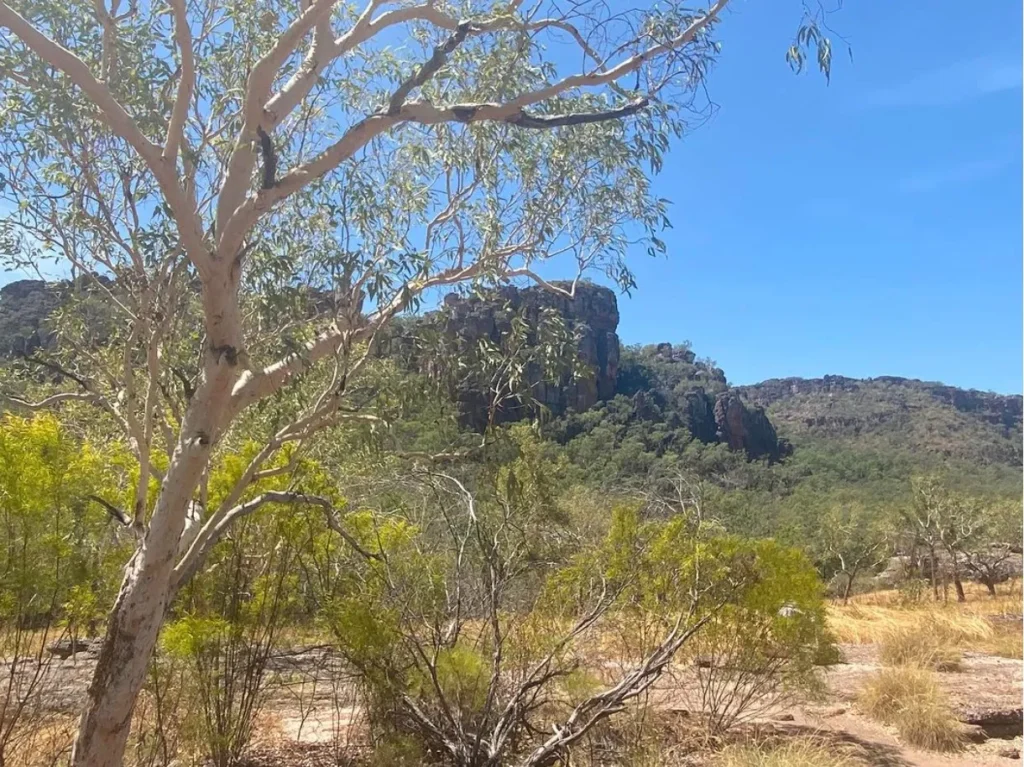
Kakadu has been internationally acclaimed for its wide range of biodiversity. The park harbours more than 280 bird species, approximately 60 mammal species, and many plant forms indicating the resilience contained within nature itself. This diversity is intertwined deeply with Aboriginal culture through places like Nourlangie Rock, where ancient rock painting enhances our knowledge of spiritual lives and everyday activities among those who lived here before us. These artistic expressions are not only historical documents but also provide insights into past environmental changes or even biodiversity such as Ubirr Rock or Anbangbang Billabong. Such sites do not only act as links to the culture but also speak to the importance of safeguarding our environment.
Alive with Wildlife: Kakadu’s Residents
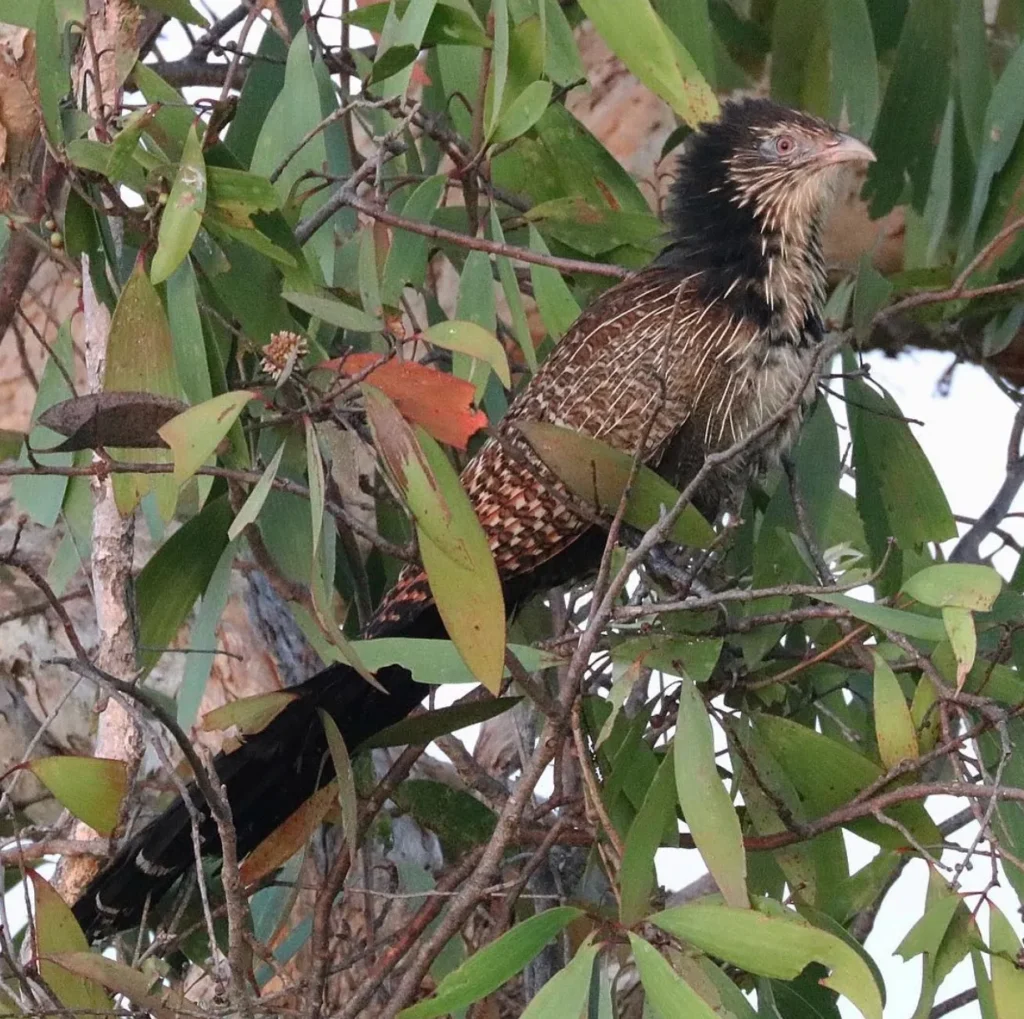
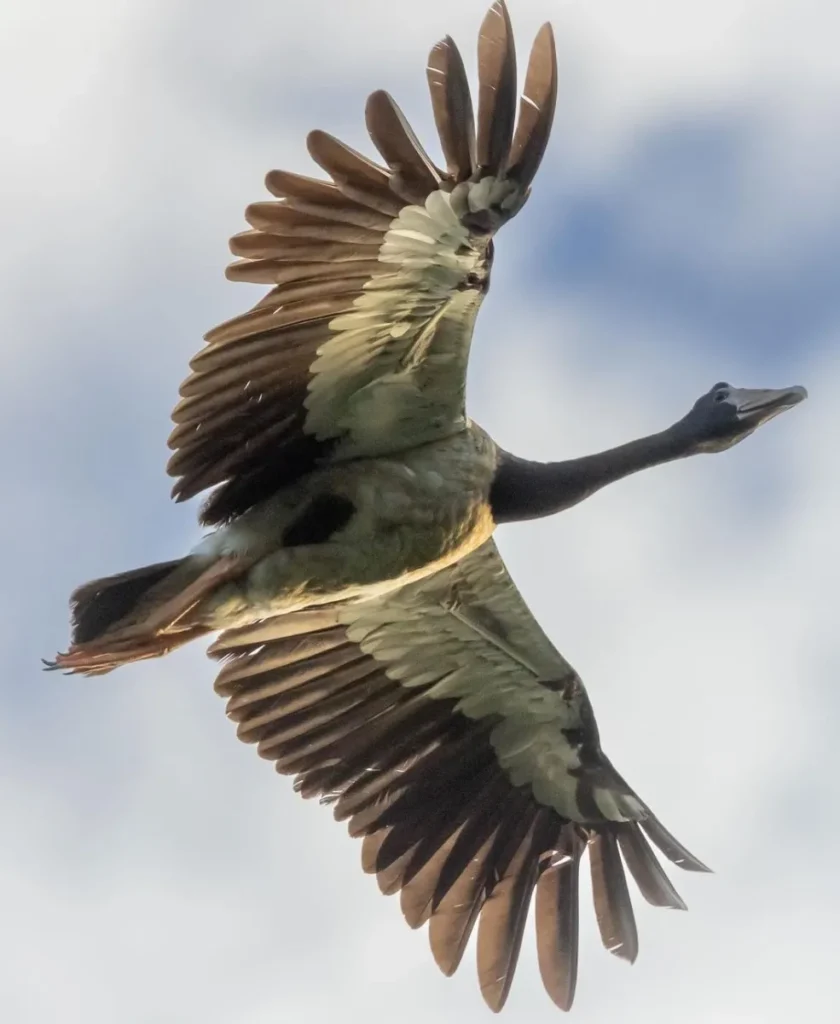
Kakadu teems with various wildlife, ranging from saltwater crocodiles – known as the largest reptiles on earth – to water lilies floating in billabongs. Each species, whether it be a nimble wallaby bounding through undergrowth or haunting calls of Hooded Parrots reverberating through woodlands, is a piece of this mosaic. The wet season is the time when magpie geese are attracted by vast wetlands, and these migratory birds turn the landscape into an aviary hub for bird enthusiasts.
The Wildlife of the Wet and Dry Seasons
The inhabitants of Kakadu have dramatically different life cycles dependent on its divergent seasons. At this time, the waterways in the park are filled with rainwater and there is plenty of greenery that provides adequate amount of food at this critical breeding period for many species. On the contrary, during its dry season, the park becomes a bare undertone, offering some of the most stunning views all over and facilitating an easy spotting of animals gathering around drying-up pools. It is through this seasonal dynamism that every visit to Kakadu creates a unique experience with ever-changing sights reflecting the natural rhythm entailed by this magnificent landscape.
Iconic Species of Kakadu
The fauna in this park is as varied as its landscapes and each animal has perfected itself to thrive in circumstances it faces. This section does not only talk about iconic species but also highlights less-known yet equally interesting animals that call Kakadu home.
Crocodiles
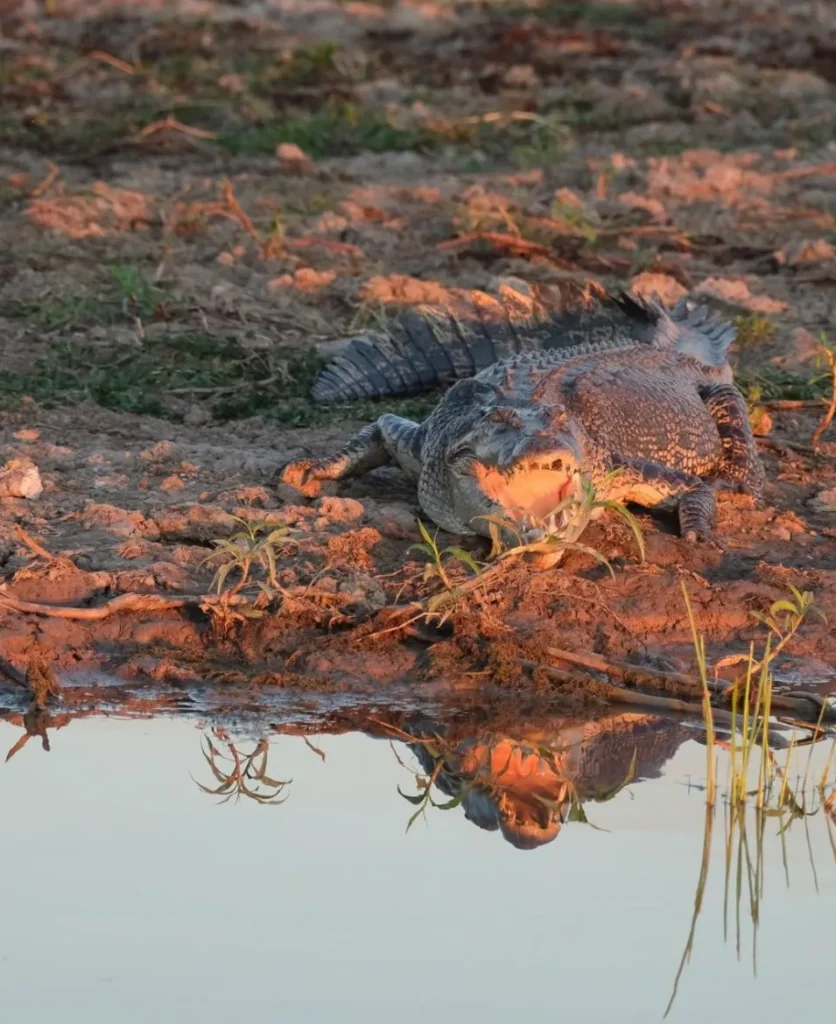
Awe and respect are two feelings inspired by a saltwater crocodile, unquestionably one of Kakadu’s most famous residents. Visitors find these ancient creatures, which have remained unchanged for millions of years, quite exciting. Some of the best spots where these great predators can be observed safely in their own environment include East Alligator River or Yellow Water Billabong’s muddy waters, providing unforgettable experiences with raw power and beauty associated with nature.
Agile Wallabies
In contrast to the mightiness exhibited by crocodiles, agile wallabies provide a tranquillized glimpse into wildlife within Kakadu. During cooler parts of the day, marsupials such as wallabies are especially visible, often grazing silently or lazily lying down under the shade of vast stone country. Their ability to maneuver nimbly across rough ground is evidence enough of their adaptability, hence giving spectators a delightful sight.
Birds
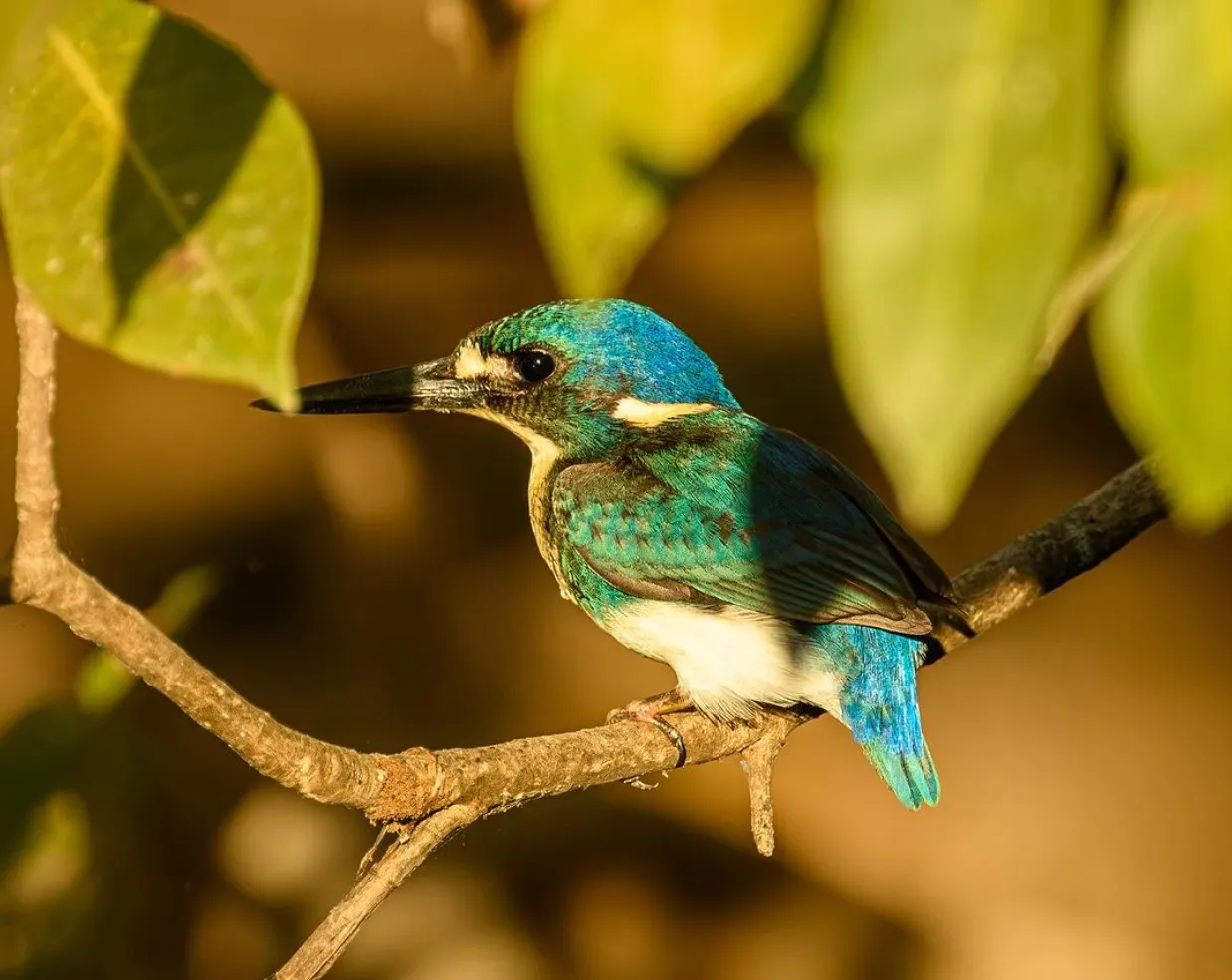
There is a wide range of avian life in Kakadu, with species varying from the huge and majestic white-bellied sea eagles to small, colourful kingfishers. Among the park’s many birds, which encompass both common local residents and rare visiting migratory ones, are magpie geese that flock at the Mamukala Wetlands and Yellow Water Billabong. Birdwatchers will attest that these spots provide one of the most amazing sights for large flocks of magpie geese as well as other bird types.
Flying Foxes
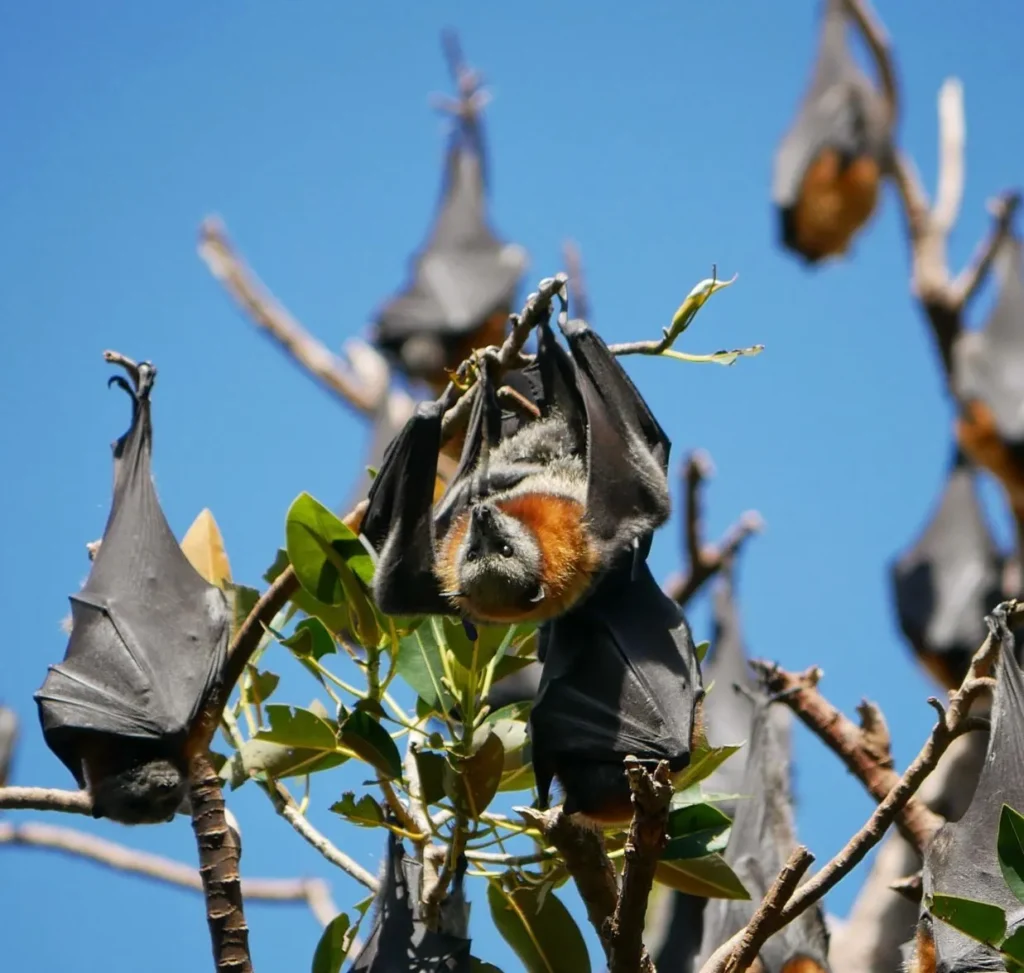
Kakadu’s skies come alive with flying foxes as darkness falls. These nocturnal animals play an essential role as pollinators and seed dispersers in their ecosystem. In this regard, watching their shapes against the evening sky proves more fascinating than anything else hence reminding one of how ecologically complex Kakadu National Park is.
Plant Species
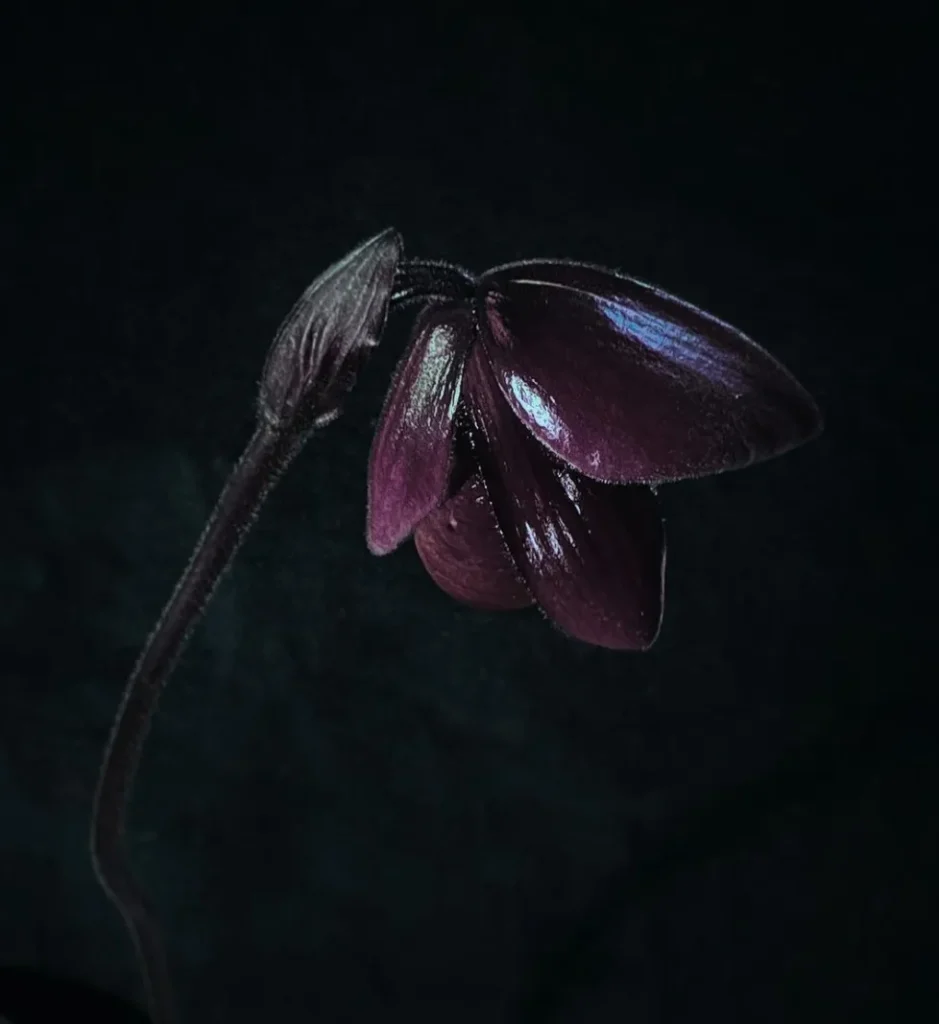
There are over 1,700 plant species recorded in Kakadu, making its botanical diversity extraordinary. It varies from ubiquitous eucalyptus trees to extremely beautiful black orchids that exist only in this area.. Each of these distinct plant communities found within woodlands, monsoon forests as well as vast wetlands feeds such a great variety of fauna besides contributing immensely towards park’s own beauty thereby sustaining vibrant landscape scenes.. The rich tapestry of plant life supports wildlife variety and aesthetic appeal within Kakadu alike.
Extraordinary Moments in Kakadu
Wildlife Safari Filled with Exclusivity at the Center of Kakadu National Park
To fully immerse oneself in the natural realm of Kakadu, an exclusive wildlife safari is a must. These safaris entail expert-guided investigations into the park’s multiple habitats, from dense floodplains to rocky escarpments. These guides are so knowledgeable that each encounter feels like it means more than just seeing an animal. When visitors watch animals like these, they find rare species occasionally and keep away from them. They also learn about their preservation efforts and how to save this ecological balance within the park. Not only do these Darwin tours showcase the beauty of Kakadu, but they also underscore sustainable tourism and the conservation of wildlife.
Billabong Culture
The billabongs found in Kakadu are more than mere water bodies; rather, they are cultural sites that have significant ecological and spiritual importance for Aboriginal people. Visiting these peaceful waters provides a taste of what it means for life here to be dictated by seasonal patterns. At certain times during the wet season, billabongs such as Yellow Water Billabong become a hub for activities, resulting in great congregations of birds, crocodiles, and other creatures that rely on its water to survive. Cultural excursions around them give an understanding of how indigenous people used these waters for food, medicine or ritual purposes.
Traditional Aboriginal Bush Tucker
Kakadu’s landscape is not only rich in fauna but also in flora, with many plants playing a crucial role in Aboriginal diets and medicine. An interesting way to explore this aspect of Aboriginal culture is through bush tucker tours. It involves sampling native fruits, nuts, and insects with different flavours and health benefits. They educate visitors on how traditional wisdom concerning land resources has been transmitted through many generations among past generations up till now amongst aboriginal people who are living in Australia.
Bird Watching on the Yellow Water Billabong
For bird enthusiasts, the Yellow Water Billabong is a paradise unmatched. This means that there are different types of birds visiting this place depending on the time of the year. Bird watching 2 day Kakadu tours from Darwin at dawn or dusk offer spectacular views of birds such as the majestic sea eagles, brolgas and kingfishers with their bright plumage. In summary, visiting this place for bird watching will reveal more about how Kakadu is actually connected ecologically than just what one can see flying above him.
Saltwater Crocodiles & Reptiles
A highlight for many visitors is observing Kakadu’s crocodiles in their natural setting. Such trips provide river cruises during which guides take passengers through waters teeming with these age-old reptiles, giving an insight into their life cycles and habits. These cruises also afford a closer look at other scaly residents in the park, including varanids belonging to monitor lizards’ species, as well as some freshwater crocs that are less conspicuous. Visitors thus have face-to-face encounters with some of the most famous creatures at this park while highlighting conservation efforts relative to crocodile wildlife too.
Conclusion
The Kakadu National Park is filled with nature and culture that are both instructive and exhilarating. These experiences illustrate a deep connection between people and the land, ranging from the observation of age-old rock art to looking at a crocodile swimming silently in water. Kakadu is more than just a park; it also serves as a living classroom where every visit enlightens more about our place within the natural world and the importance of conserving these unique environments. For those who want to appreciate Australia’s natural as well as cultural wealth, Kakadu National Park remains an unforgettable destination of choice.
FAQs
What accommodation options exist in Kakadu National Park?
There are numerous options for staying in Kakadu to suit any taste or budget. Some offer camping areas for those who would like to sleep under open air conditions while others provide comfort amenities such as lodges and hotels. Typical choices include Anbinik Kakadu Resort with its unique cabins or various campgrounds that make you feel closer to nature.
Do I need a park pass to get into Kakadu National Park?
Yes, visitors are required to purchase park passes, which contribute towards maintenance and preservation activities carried out in the park. These tickets can be procured via online transactions or by visiting information kiosks; they allow several days’ stay thus offering ample time for exploration.
Are there any specific safety tips for visiting Kakadu?
A3: Visitors should observe several precautions. Hydration is critical, particularly during hot weather, and sunblock should always be applied. Water bodies must be approached carefully because some crocodiles may inhabit them. Observe all relevant directions provided by park rangers regarding places that are out of bounds, either because they require wildlife protection or due to their cultural value.
Can I take guided tours to learn more about Aboriginal culture?
Yes, there are many Aboriginal-led guided Kakadu tours from Darwin that provide an in-depth understanding of its Indigenous people’s rich history and culture. These may include visits to rock art galleries, sessions on bush tucker and stories that give a different perspective on Aboriginal heritage.
What wildlife safety should I be aware of in the park?
A5: While diverse species inhabit Kakadu, it is crucial that one remains distanced from all animals specifically crocodiles and snakes. Feeding wildlife is prohibited as this can affect their health and disrupt natural behavior patterns. Always exercise caution and take heed of the advice issued by rangers for safe and enjoyable time spent within the park.